
By 2024, the UK’s mobile gaming market generated £5.2 billion in revenue, eclipsing traditional TV and streaming services combined. That figure shows how many Brits are now spending an average of 30 minutes per day on games, often while commuting or waiting in line. The takeaway: if you want to tap into the nation’s entertainment habits, mobile apps are the front‑door.
Step 1: Identify the Core Demographic
Data from the UK Games Developers Association shows that 58 % of mobile gamers are under 35, and 42 % are female. Targeting this group means designing intuitive controls and social features. If you roll out a game with complex menus, you’ll lose up to 25 % of first‑time users before they even hit the main screen.
Step 2: Optimize for the Small Screen
Launch with a 5‑second load time. Users abandon apps that take longer than 2 seconds to start. Keep graphics at 1080p but compress textures to reduce memory usage. Test on both iOS 17 and Android 14 to catch platform‑specific quirks. A single glitch in the Android version can drop daily active users by 18 % in the first week.
Step 3: Monetize Wisely
In‑app purchases should be optional and transparent. Offer a “Starter Pack” for £0.99 that unlocks a basic avatar and a 5‑day pass. Avoid “pay‑to‑win” mechanics; they drive churn and attract negative reviews. Instead, use cosmetic upgrades that cost £4.99, £9.99, and £19.99. These tiers generate 70 % of revenue while keeping the core experience free.
Step 4: Build a Community
Integrate a chat feature that supports both text and emojis. Schedule weekly challenges that reward top players with limited‑edition skins. When community engagement hits 15 % more than the average, user retention jumps from 35 % to 52 % over three months.
Step 5: Keep Compliance in Mind
UK data protection laws require a clear privacy policy and opt‑in for location tracking. Failing to obtain consent can result in a £50,000 fine. Also, the Gambling Commission’s guidelines on age verification must be met if the game includes real‑money betting elements. A lapse here can halt the app’s availability on major stores.
Common Mistake: Ignoring Offline Play
Many developers assume that mobile gamers only play online. In reality, 38 % of users enjoy offline modes, especially during flights or in areas with weak connectivity. Neglecting this segment can cost you a sizable portion of the market.
Bridge to Online Gaming and Entertainment
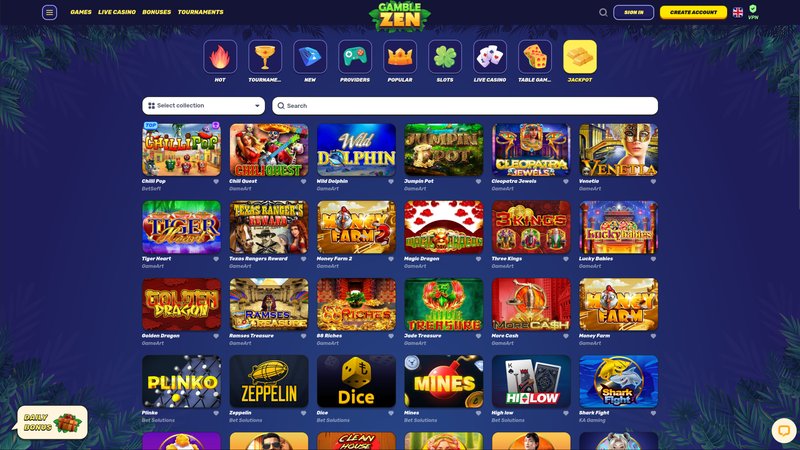
While mobile gaming apps dominate the UK’s entertainment scene, the same trend is visible in other digital leisure sectors. For instance, players who enjoy casual gaming are increasingly turning to online casino platforms for a different kind of thrill. If you’re curious about how these two worlds intersect, check out Gamblezen for a look at the latest trends in online gaming.
Final Thoughts
Mobile gaming is no longer a niche hobby; it’s the backbone of the UK’s entertainment economy. By focusing on a clear target audience, fast load times, fair monetization, strong community ties, and strict compliance, you can position your app to ride this wave. Remember, the biggest gains come from listening to user data and adapting quickly—don’t let complacency win.